Paintless Dent Removal Using Heat and Freezing Air Duster Spray
Introduction
This guide covers a low-cost method for popping out a shallow to medium dent on a steel body panel without paint work or filler, relying only on thermal expansion and contraction. Heating the metal makes it expand, and then chilling it suddenly with the liquefied propellant from an inverted air-duster can forces a rapid contraction that can snap the panel back toward its original shape. It suits accessible, unsupported panels such as doors, fenders, and quarter panels on Acura and Honda vehicles (and cars generally), and works best on a fresh dent, ideally addressed within about a month and on a warm day so the metal starts hotter. Treat it as a cheap first attempt rather than a guaranteed fix: results vary with panel shape and dent depth, and at least one attempt in the source discussion produced no movement at all. Adapted from a community writeup by Eband27 on AcuraZine (https://acurazine.com/forums/1g-cl-diy-faq-74/diy-easy-medium-large-dent-removal-486833/), including corrections from the follow-up discussion.
Reference
Tools Required
- Heat gun (a hair dryer can substitute, but works more slowly)
- Safety gloves and eye protection
Parts Required
-
Canned air duster (compressed gas duster), roughly $9.50 CAD
Safety Warnings
- ⚠ The propellant sprays extremely cold and can cause frostbite; wear gloves and keep it off bare skin.
- ⚠ A heat gun can blister or discolor paint and warp plastic trim, badges, and seals if held too close or too long; keep it moving and watch adjacent materials.
- ⚠ Use the duster in a well-ventilated area and never inhale the propellant.
- ⚠ Results are not guaranteed; deep or creased dents may not respond, and one user in the discussion reported no success at all.
Step-by-Step Instructions
1 Assess whether the dent is a good candidate
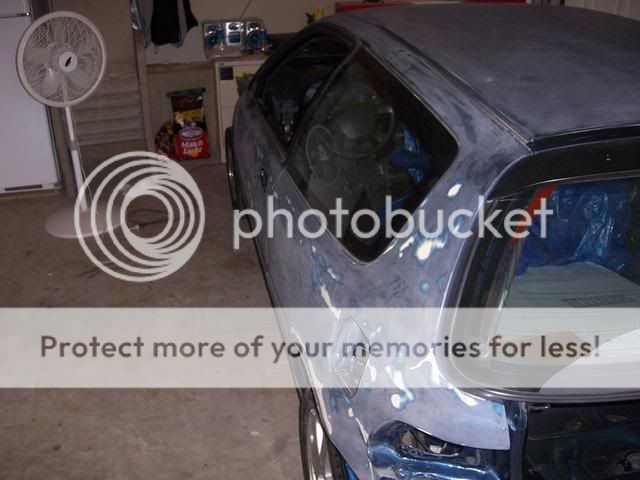
Inspect the damage before starting. This technique responds best to a smooth, shallow-to-medium dent on a flat or gently curved panel with open access to the front face, such as a door skin, fender, or rear quarter. Fresh damage flexes back more readily, so aim to treat it within roughly a month of the impact. Sharp creases, deep dents, and dents over structural bracing are far less likely to move. Plan to work outdoors on a hot day if you can, because warmer starting metal exaggerates the expand-then-contract effect the method depends on.
2 Gather the heat source and the correct spray can
You need a heat gun (a hair dryer works but requires longer because it is less powerful) and a can of air duster. Despite the common label "compressed air," the can does not hold ordinary shop-compressor air; it holds a liquefied gas (a nitrogen-type or difluoroethane propellant) that flashes extremely cold when the can is inverted. This freezing behavior, not air pressure, is what makes the trick work, so a normal air compressor cannot substitute. Clean the panel so you can see the dent clearly as you work.
3 Heat the dent and the metal around it
Direct the heat gun at the dent and the surrounding area for about 4-5 minutes, keeping the tool moving so the whole zone becomes genuinely hot rather than scorched in one spot. With a hair dryer, extend the time since it delivers less heat. Warm the metal beyond just the low point of the dent so the entire panel section expands. Keep the heat away from nearby plastic trim, badges, and rubber seals, which can distort or melt.
4 Blast the hot spot with the inverted can
As soon as you switch off the heat, turn the duster can fully upside down and spray the heated area for about 10 seconds. Inverting the can discharges the liquefied propellant instead of gas, drenching the panel in an intensely cold spray and driving the metal's temperature down fast. Move quickly so the panel is still hot when the cold hits; the larger the temperature swing, the stronger the contraction.
5 Wait for the panel to snap back
Let the chilled area sit undisturbed for 10-20 seconds. The sudden contraction can pull the dent back out; in a good case the panel pops almost immediately, while in others it needs a short pause or does not fully return. If the dent only partially recovers, let the panel return to a warm temperature and repeat the heat-then-freeze cycle. Cold ambient conditions and spraying too small an area both weaken the result.
6 Reheat to clear frost and cold marks
Once the dent has moved, gently warm the spot again with the heat gun to melt off the frozen residue left by the spray. You may notice faint stretch-mark-like lines or hazing where the propellant froze the paint; these are surface effects, not scratches, and cannot be rubbed off. Continue warming the area lightly and evenly until those marks fade and the finish looks normal again. Avoid overheating the paint at this stage.
Pro Tips
- 💡 Pick a warm, sunny afternoon for this: when the panel already starts out warm, it loses less heat during the spray-and-heat cycle.
- 💡 The fresher the dent, the better the odds; long-standing dents rarely respond.
- 💡 A demonstration video referenced in the thread showed only about a minute of heating, but the author found longer heating until the metal was very hot gave better results.
- 💡 If repeated cycles produce no movement, stop and consider a professional paintless dent removal (PDR) service instead.
Was this guide helpful?